
How to Build a Simple Winter Roosting Box for Backyard Birds
A winter roosting box is a simple wood box built to trap the birds' own body heat so small birds live through freezing nights. It is not a summer birdhouse. Two things make it a roost box: the entrance goes down low so warm air stays trapped up top, and you leave the inside rough so birds can grip the walls. Seal it up, skip the vents, face it at the afternoon sun — and a beginner can build one in an afternoon.
A birdhouse keeps babies cool in June. A roost box keeps grown birds alive in January. They look the same sitting on a shelf, but they're built backwards from each other — and if you hang the wrong one out in the cold, you've built a nice little icebox.
Late October is the right week to do this. The small birds that stay through winter — chickadees, wrens, titmice, bluebirds, nuthatches — ride out the cold in whatever hollow they can find, and good hollows are getting harder to come by. A roost box gives them a place to pile in together and share heat on a bitter night. I want to walk you through it the way I'd explain it to somebody standing at the bench, because the build is dead simple. It's the two or three design choices that matter, and most of the plans floating around online get at least one of them wrong.
A roost box is not a birdhouse — and why that matters
Here's the whole idea in one breath. A spring nest box is built to shed heat: the entrance sits high, there are vent holes, and the goal is to keep a clutch of chicks from cooking in the summer sun. A winter roost box is built to do the exact opposite — hold heat in. Same box, opposite job. So everything about it flips.
If you already own a birdhouse, you can't just leave it out and call it done. The high door lets the warm air the birds give off pour straight out the top, which is the only heat they've got on a freezing night. Get the concept and the rest of the build falls into place on its own.
What you'll need
Not much. One board, a few screws, and a drill will about do it.
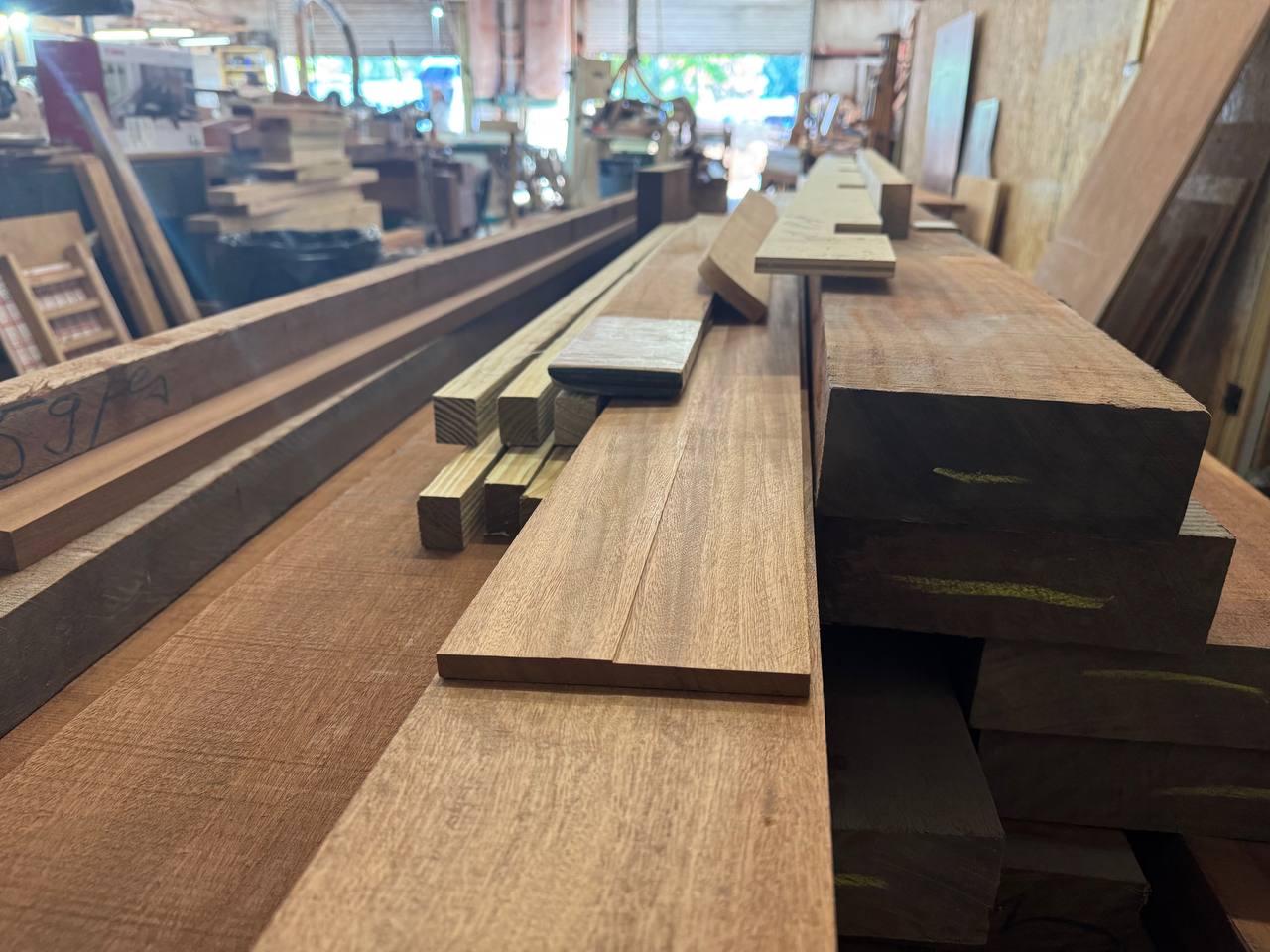
- A single length of 1x6 or 1x8 — a few feet is plenty. Untreated cedar, pine, or fir.
- A short piece of dowel or a scrap for perches — a few 1/4-inch or 3/8-inch dowels, or rough-cut cleats.
- Exterior wood screws and wood glue.
- A drill, a saw, and a spade bit or hole saw for the one entrance hole.
One rule on the wood: untreated only. No pressure-treated lumber, no heavy finish or sealer on the inside — you don't want birds breathing chemicals in a sealed box all night. If you've never picked boards before, here's how I do it at the rack: how to pick good lumber at the store. Sight down each one and cull anything badly bowed.
Build it so the heat stays in — the one choice that counts
This is the part worth slowing down for. Here's where a roost box lives or dies.
- Put the entrance hole down LOW, near the floor. Heat rises. A nest box vents up top; a roost box does the opposite on purpose, so the warm air the birds throw off pools up high where they're huddled instead of leaking out a high door. Low entrance — that's rule one.
- Seal it up. Skip the vent holes. This is the one honest point of disagreement you'll find online. Some backyard guides tell you to drill vents like it's a summer house. The wildlife folks who build these for a living don't, and they're right: the entire job of a roost box is holding body heat, and a vented box can't. A drafty box is just a cold box with a lid. Seal the seams and leave the vents out.
- Leave the inside rough — don't sand it. Birds have to grip the walls to roost off the floor. This is the one time I'll tell you not to sand something smooth. Leave the interior rough-sawn, or run a few shallow saw scores across it so little feet have something to hang onto.
- Stagger the perches at different heights, set front to back so the birds up top don't foul the ones below. A few dowels or rough cleats, each a bit higher than the last.
Hang it right — sun on its face, wind at its back
A perfect box in a bad spot won't get used. Mount it five to ten feet up on a tree, post, or shed wall. Face the entrance toward the afternoon sun and away from the winter wind — around here that's generally south or southeast. The more afternoon sun it catches, the longer it holds that warmth into the cold evening, right when the birds need it. Keep it clear of the busy feeder and out of reach of cats. Get it up now, before the first real cold snap, so the birds have time to find it and learn it's there.
Phil's honest truth on the Lowcountry angle
I'll be straight with you — down here near Charleston our winters are mild, and most nights the birds do just fine on their own. But we still catch cold snaps, and a few hard nights in a row are rough on a bird that weighs less than a handful of change. A roost box costs you one board and an afternoon, and on the worst nights of the year it's the difference for the little ones in your yard. It's also just a good, honest first project — one hole to drill, a handful of screws, no fuss. Build it, hang it, and forget about it. The birds will find it.
Common questions
What is the difference between a roosting box and a nest box?
They're built for opposite jobs. A nest box raises young in spring, so it's vented to keep chicks cool and the entrance sits high. A winter roost box is built to survive cold nights, so it's sealed tight to hold body heat and the entrance sits low near the floor, keeping warm air trapped up top where the birds huddle. You can't hang a summer birdhouse out in January and call it a roost box — the design is backwards for the job.
Should a winter roosting box have ventilation holes?
No, and this is where a lot of plans get it wrong. A spring nest box needs vents to keep chicks from overheating. A winter roost box is the opposite: the whole point is to trap the heat the birds give off, so you want it sealed, not drafty. A drafty box is just a cold box with a lid. Skip the vents, seal the seams, and the box does its one job — holding warmth through a freezing night.
Which birds use a winter roosting box?
The small cavity birds that stay through winter — chickadees, wrens, bluebirds, titmice, and nuthatches. These are birds that would normally shelter in a hollow tree or an old woodpecker hole, and those are getting scarcer. On a bitter night several will pile into one box together and share body heat to get through. Put it up in fall, before the first hard cold, and give them time to find it.
Where should I hang a winter roosting box?
Mount it five to ten feet up on a tree, post, or shed wall, entrance facing the afternoon sun and away from the prevailing winter wind — for most of us that's south or southeast. The afternoon sun warms the box going into evening so it holds heat longer after dark. Keep it away from busy feeders and anywhere a cat can reach. A quiet, sunny, sheltered spot is what you're after.
Once you fall for building with real wood
A little box like this is how a lot of folks catch the bug. When you want something built to outlast you — a door, a gate, custom work, by hand and made to last — that's what we do here in Ravenel. Tell us what you're picturing.
Request a Custom Piece More from the bench