
How to Seal an Outdoor Woodworking Project (So It Actually Lasts)
You've got one real decision: a film that sits on top of the wood (spar urethane — most armor, best UV, but it peels and has to be sanded off), or a penetrating oil that soaks in (less armor, but it never peels — you just wipe on more). For a first outdoor project, go penetrating oil. Prep the wood, hit the end grain and the bottom extra, and use three thin coats instead of one thick one.
Most folks don't get stuck building the planter. They get stuck in the paint aisle, staring at forty cans that all say "waterproof," with nobody telling them the one thing that actually matters.
I get this question a lot: somebody builds their first bench or planter box, they're proud of it, and now they want it to survive outside. So they walk into the store and there's sealer, sealant, spar urethane, deck stain, teak oil, tung oil — all of it promising the moon. It's genuinely confusing, and the labels are no help. Let me cut through it the way I'd explain it to somebody standing in the shop, using nothing but stuff you can buy off a big-box shelf.
First, understand what you're fighting
Outdoor wood has two enemies: water and sun. Water swells the wood, then it dries and shrinks, and that constant movement is what opens up cracks and lifts finishes. Sun — the UV — is what turns bare wood gray and breaks a finish down over time. Any product you buy is really just picking a fight with one or both of those. Once you know that, the aisle gets a lot simpler.
The only real fork: film vs. oil
Ignore the brand names for a second. Nearly everything on that shelf falls into one of two camps, and picking your camp is 90% of the decision.
- Film finishes (exterior spar urethane, marine varnish) sit on top of the wood like a clear skin. Most protection, best UV resistance, that glossy furniture look. The catch: when a film finally fails — and outdoors it will — it cracks and peels, and to redo it you have to sand the whole thing back to bare wood.
- Penetrating finishes (exterior/"outdoor" oils, teak oil, penetrating stains) soak into the wood instead of coating it. Less armor, and you'll refresh them more often. But they never peel. When one looks tired, you wipe the surface down and put on another coat. No stripping, no sanding.
For a beginner's first outdoor piece, my honest call is penetrating oil. Not because it protects better — it doesn't — but because it forgives you. A film finish punishes a mistake; an oil just asks you to wipe on more next season. Lower stress, and it's very hard to ruin the look.
Prep is the part nobody wants to hear
No finish sticks to a bad surface. This is boring and it's the difference between three years and ten, so do it:
- Sand it smooth and even — for outdoor work you don't need glass; 120 to 150 grit is plenty. Going too fine can actually keep an oil from soaking in.
- Knock down every sharp edge with a light sanding pass. Finish thins out and fails on a sharp corner first — a softened edge holds a coat far better.
- Get the dust off — vacuum, then a wipe with a barely-damp rag, and let it dry. Dust trapped under a finish is grit forever.
- Make sure the wood is dry. Sealing wet wood traps the moisture inside, and that's how you get a cloudy finish and mildew under the coat.
Seal the end grain and the bottom — that's where it gets in
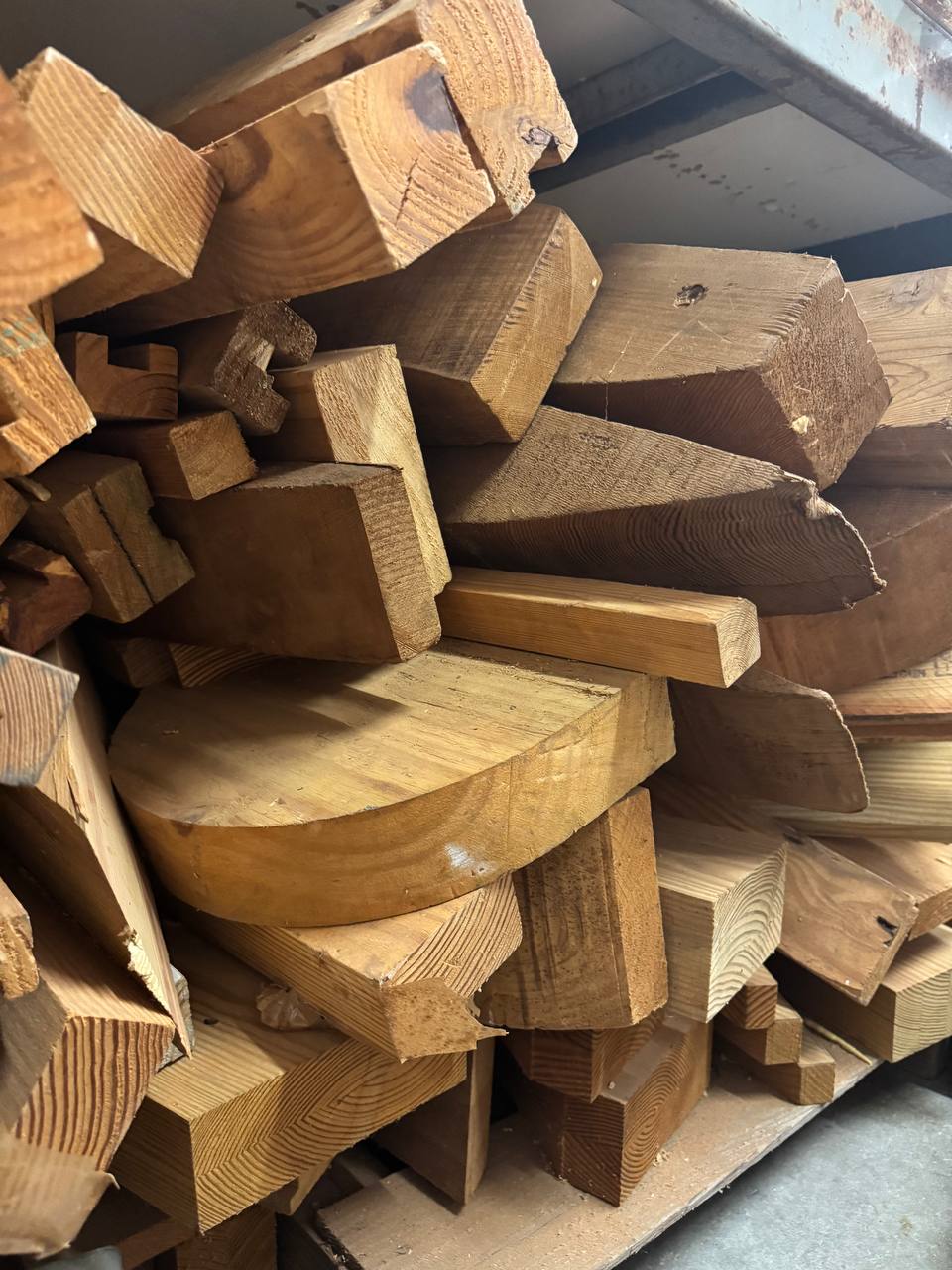
Here's the one I'd tattoo on a beginner's arm. Water gets into wood through the ends, not the faces. The cut end of a board is like a bundle of straws — it wicks moisture up many times faster than the flat sides. And the bottom of a planter or a bench sits in wet grass and puddles all day.
So when you finish, the pretty faces are the easy part. The parts that actually save the project are:
- Every cut end — give it an extra coat, let it drink
- The bottom and any feet that touch the ground
- Inside corners and joints where water likes to sit
Seal the faces and leave the ends and bottom raw, and I can tell you exactly where the piece will rot first. It'll be the ends and the bottom. Every time.
Thin coats, and let them dry
The single most common mistake I see is somebody trying to get it done in one heavy coat. Three thin coats beat one thick coat, always. A thick coat traps solvent, stays tacky, runs and drips, and never cures hard. Thin coats bond to each other and build up real protection.
- Wipe or brush on a thin coat, then wipe off whatever the wood won't absorb (for oils especially — leftover oil on the surface stays sticky)
- Let it dry the full time on the can before the next coat — don't rush it because it "feels dry"
- A quick scuff with fine sandpaper between coats helps them grab, if the can says to
- Finish in the shade, not blazing sun — heat skins the surface over before the coat can level out
And sometimes — don't seal it at all
This is the honest part the sealer companies won't tell you. Some woods are perfectly happy left bare. Cedar and redwood have natural oils that resist rot on their own; a lot of people build a cedar planter or a bench and just let it weather to a soft silver-gray. No finish, no upkeep, and it'll last for years.
If you like that gray, weathered look and you don't want a maintenance chore, leaving a naturally rot-resistant wood bare is a completely legitimate choice. Seal it because you want to keep the color and add some protection — not because you think bare wood is automatically doomed. It isn't. (And if you're not sure your boards are up to living outside in the first place, that starts back at the lumber rack — see how to pick good lumber at the store.)
The catch with sealing anything
Whatever you choose, understand this going in: a finish is maintenance you'll repeat for as long as you own the thing. Oil needs a fresh coat every year or so. Film lasts longer but fails harder. There's no such thing as seal-it-once-and-forget-it outdoors — anybody who tells you different is selling a can. That's just the deal with wood out in the weather, and it's a fair deal if you go in knowing it.
Common questions
What's the best sealer for an outdoor wood project?
There's no single best one — there's the right kind for your project. It comes down to two families: a film finish like exterior spar urethane (most protection and UV resistance, but it peels and has to be sanded off to redo), or a penetrating oil that soaks in (less armor, but it never peels — you just wipe on another coat). For a first planter or bench, a penetrating exterior oil is the more forgiving pick.
Spar urethane or penetrating oil for a beginner?
Penetrating oil, most of the time. Spar urethane protects hard and looks great, but when it fails you're stripping and sanding to refinish. An oil just asks you to clean the wood and wipe on another coat — no stripping. It's the lower-stress path for a first project.
How many coats of sealer does outdoor wood need?
Two to three, and make them thin. Three thin coats beat one thick coat every time — thick coats trap solvent, stay tacky, and run. Let each coat dry the full time on the can, and give the end grain an extra pass since it soaks up finish faster than the faces.
Do I have to seal the bottom and the end grain?
Yes — that's where water gets in. Cut ends and the bottom that sits on wet ground soak up moisture far faster than the flat faces. Seal the pretty faces and leave the ends and bottom bare, and that's exactly where the piece rots first. Give the end grain an extra coat and don't skip the underside.
Want something built to outlast the weather from day one?
Sealing is upkeep you'll repeat forever — but a piece built from the right wood, by hand, starts way ahead of the game. That's what we do here in Ravenel. Tell us what you have in mind.
Request a Custom Piece More from the bench →